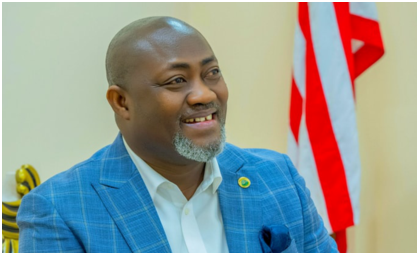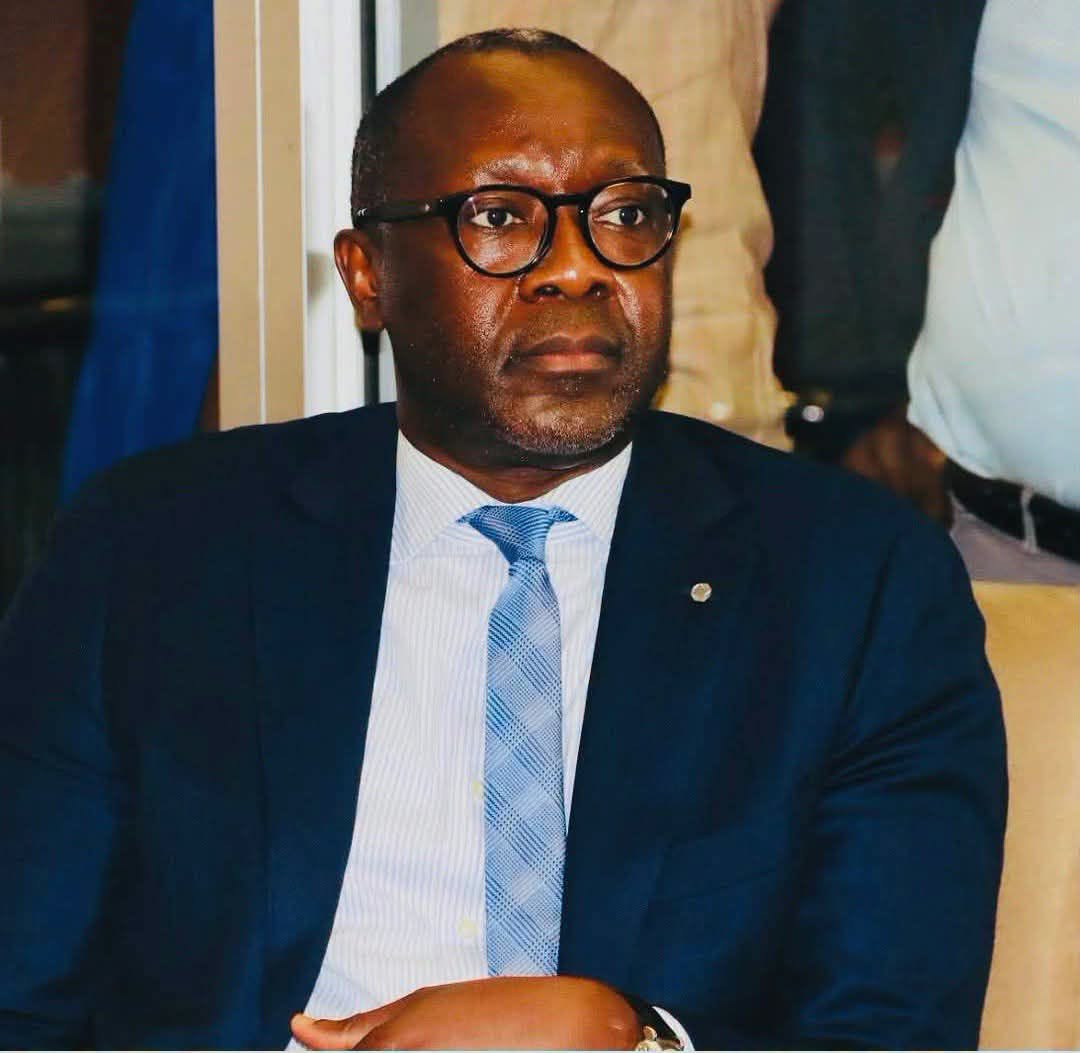
MONROVIA: Senator Amara Konneh of Gbarpolu County has rejected calls to abolish jury trials in Liberia, arguing that the proposal raises serious constitutional concerns and could weaken citizens’ role in safeguarding justice, even as he acknowledges the need to address jury tampering and bribery.
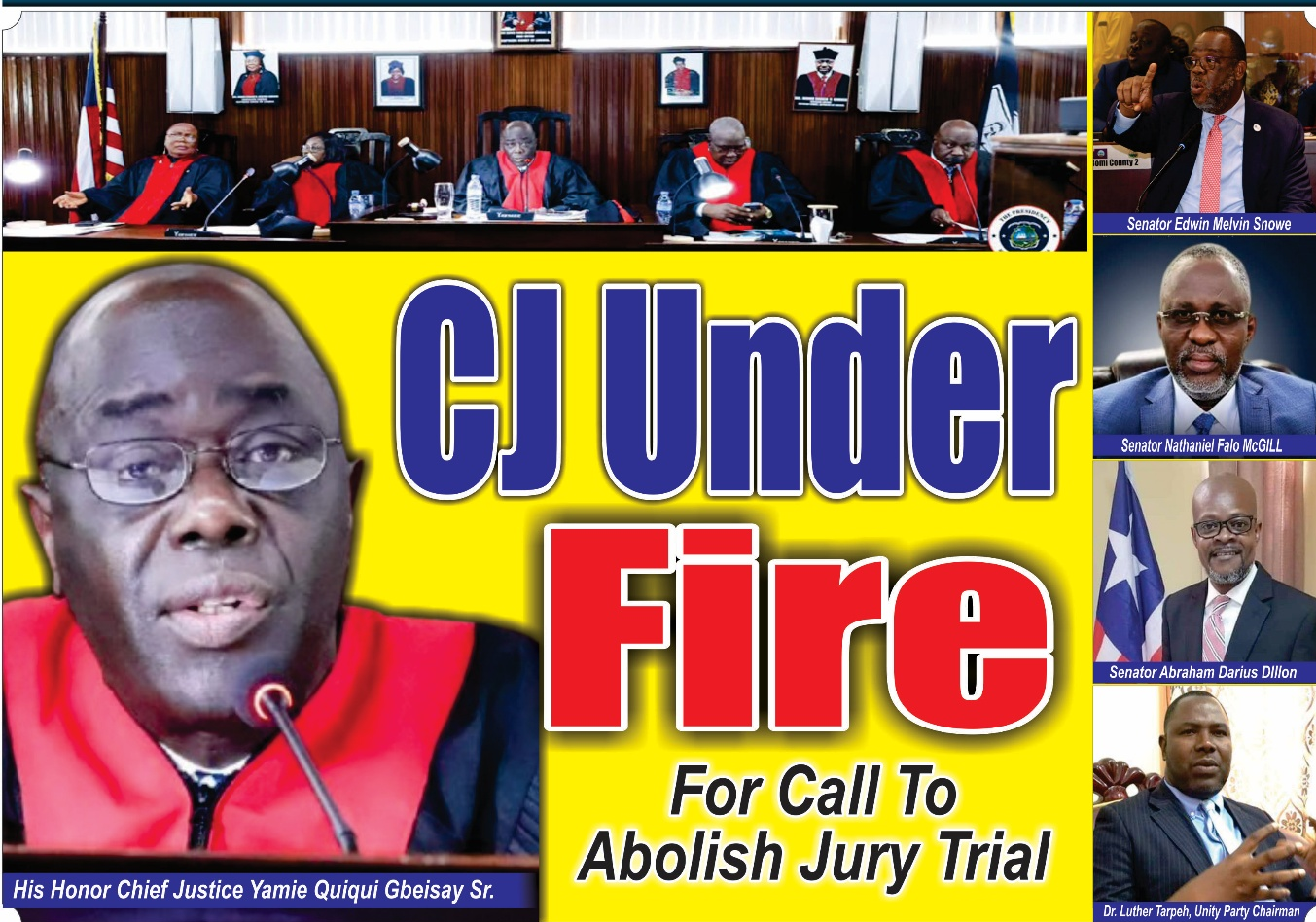
In a statement responding to Chief Justice Yamie Quiqui Gbeisay Sr.’s call for action against corruption in the jury system, Konneh said, the country must confront the crisis without abandoning a constitutional right guaranteed to accused persons.
“When the Chief Justice of the Republic speaks, the nation must listen carefully,” Konneh stated, commending Gbeisay for placing the challenges confronting Liberia’s justice system at the center of national debate.
The senator acknowledged that jury tampering and bribery undermine public confidence in the courts and can produce verdicts that contradict the evidence presented.
However, he maintained that abolishing jury trials would address the symptoms of judicial corruption rather than its underlying causes.
“But abolishing jury trials is not the answer. Before it is a policy question, it is a constitutional question,” Konneh declared.
He cited Article 20(a) of Liberia’s 1986 Constitution, which guarantees accused persons the right to a speedy, public and impartial trial by a jury of the vicinity.
Senator Konneh argued that eliminating this protection would require a constitutional amendment rather than an ordinary legislative measure or judicial directive.
He pointed to Articles 91 and 92, which establish procedures for constitutional amendments, including legislative approval and ratification by the Liberian people through a referendum.
According to Konneh, the constitutional process must be respected before any proposal to remove the right to jury trials can be considered.
Beyond the constitutional implications, the senator warned that abolishing juries would not eliminate corruption from the justice system.
“Removing juries from the courtroom would not remove corruption from the courtroom,” he argued, cautioning that judges could also face bribery, intimidation or political pressure.
He further warned that concentrating decision-making authority in a single judicial officer could create another avenue for corrupt actors seeking to influence verdicts.
“Corruption follows power. Wherever verdicts are decided, corrupt actors will attempt to influence that process,” Konneh said.
Rather than abolishing jury trials, Konneh called for comprehensive reforms to strengthen juror protection, improve accountability and restore public confidence in the justice system.
His proposals include mandatory sequestration and anonymity for jurors in serious criminal cases, improved juror compensation and protection, tougher penalties for jury tampering, and a transparent, professionally managed jury-selection process.
He argued that these measures could help reduce opportunities for bribery and intimidation while enabling ordinary Liberians to serve as jurors without fear.
Konneh described the jury system as an important mechanism through which citizens participate directly in the administration of justice and help check the exercise of state power.
“The jury is the only institution where ordinary Liberian citizens directly check the state’s power,” he said, urging authorities to strengthen rather than eliminate that safeguard.
Despite his disagreement with the proposed abolition, Konneh expressed respect for Chief Justice Gbeisay and acknowledged the frustrations arising from persistent challenges within the justice system.
He invited the Chief Justice to submit a comprehensive Jury Reform Act to the Legislature, where lawmakers could hold public hearings and examine practical measures to address misconduct and improve the administration of justice.
“I have great respect for Chief Justice Yamie Quiqui Gbeisay Sr., and I understand his frustration,” Konneh stated. “I therefore invite him to bring a comprehensive Jury Reform Act to the Legislature. Let us hold public hearings. Let us fix the system together.”
He maintained that constitutional amendment procedures remain available if reforms prove unsuccessful, but insisted that eliminating jury trials should not be the first response to corruption.
“Fix the system. Do not end the right,” Konneh concluded.

Towards Economic Empowerment And Reconciliation