By Elbie Pannoh
MONROVIA: The Ministry of Health, in collaboration with the United Nations Population Fund (UNFPA) and development partners, has launched a national strategy aimed at strengthening sexual and reproductive health, nutrition, protection and support services for adolescents across Liberia.
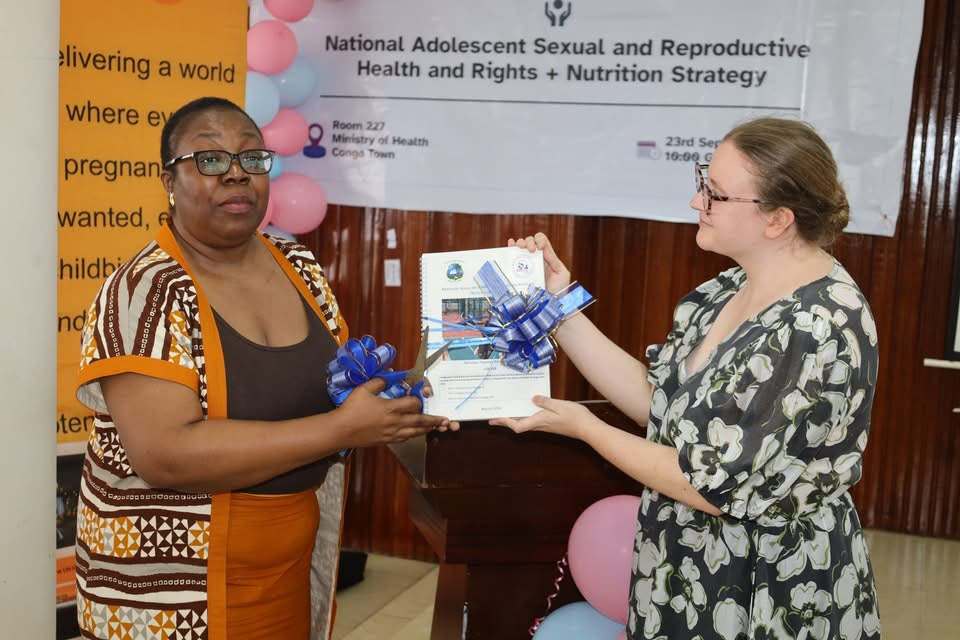
The National Adolescent Sexual and Reproductive Health and Rights (SRHR) and Nutrition Strategy was officially launched Wednesday, September 23, 2026, at the Ministry of Health in Monrovia, providing a coordinated framework for addressing critical health and social challenges confronting adolescents.
The strategy places particular emphasis on reducing maternal mortality, preventing child marriage, combating sexual abuse and harmful practices, and expanding adolescents’ access to quality sexual and reproductive health and nutrition services.
Acting Minister of Health, Catherine Cooper, described the strategy as an important milestone for Liberia’s health sector, noting that it provides a comprehensive framework to guide interventions from the national level to communities.
Cooper said, the ministry has, over the years, worked with development partners to expand services for adolescents and respond to their health and reproductive needs.
According to her, the new strategy would strengthen those efforts by establishing clearer guidelines and a coordinated approach for government institutions, partners and communities working to protect adolescent health and rights.
“It gives us guidelines and direction that everyone will go by and be guided. In the next five years, we have to ensure the strategy is implemented, which comes with financial challenges,” Cooper said.
Health authorities said, the strategy is intended to move Liberia’s adolescent health interventions beyond fragmented programmes by providing a unified framework for planning, coordination, implementation and monitoring.
A major component of the strategy is the protection and empowerment of vulnerable adolescent girls. Under the programme, 107,501 adolescent girls, including marginalized girls in Grand Gedeh and Rivercess Counties, are targeted for protection and empowerment by 2029.
The intervention is designed to help adolescent girls make informed decisions about their health and wellbeing while improving their access to essential services and protection mechanisms.
Beyond health services, the strategy recognizes that adolescent wellbeing is closely linked to social protection, education, gender equality, nutrition and the broader protection of children and young people.
It therefore, provides for stronger collaboration among government institutions, development partners, communities and other stakeholders to address the multiple factors that expose adolescents to health and social risks.
The strategy also seeks to reinforce the legal and institutional framework for protecting adolescent rights.
Minister Cooper emphasized the importance of ensuring that policies and programmes are supported by appropriate legal safeguards capable of protecting adolescents from abuse, exploitation and other harmful practices.
The approach comes amid continued efforts by Liberia and its development partners to improve reproductive health outcomes and address vulnerabilities affecting adolescent girls.
Child marriage, sexual violence, adolescent pregnancy and inadequate access to health and nutrition services remain interconnected challenges requiring coordinated interventions rather than isolated responses.
The new strategy is consequently expected to provide health workers, policymakers and development partners with a common framework for addressing those challenges.
While the strategy represents a significant policy step, officials acknowledged that successful implementation will depend heavily on sustained financial, technical and institutional support.
Cooper noted that translating the strategy into practical programmes over the coming years would require adequate resources, particularly as the government seeks to extend services beyond major urban centers and reach vulnerable adolescents in underserved communities.
Health authorities and partners, are therefore expected to strengthen resource mobilization and coordination to ensure that the strategy does not remain solely a policy document but results in measurable improvements in the lives of adolescents.
The strategy further calls for stronger coordination among national and local authorities, health institutions, development partners, communities and other stakeholders to ensure that interventions reach intended beneficiaries.
Meanwhile, the National Adolescent Sexual and Reproductive Health and Rights and Nutrition Strategy is expected to guide interventions from 2026 to 2031, establishing a five-year framework for strengthening adolescent health and protection services.
Its implementation is expected to support efforts to reduce harmful practices, improve access to reproductive health and nutrition services, strengthen protection mechanisms and empower adolescents to make informed decisions about their health and future.
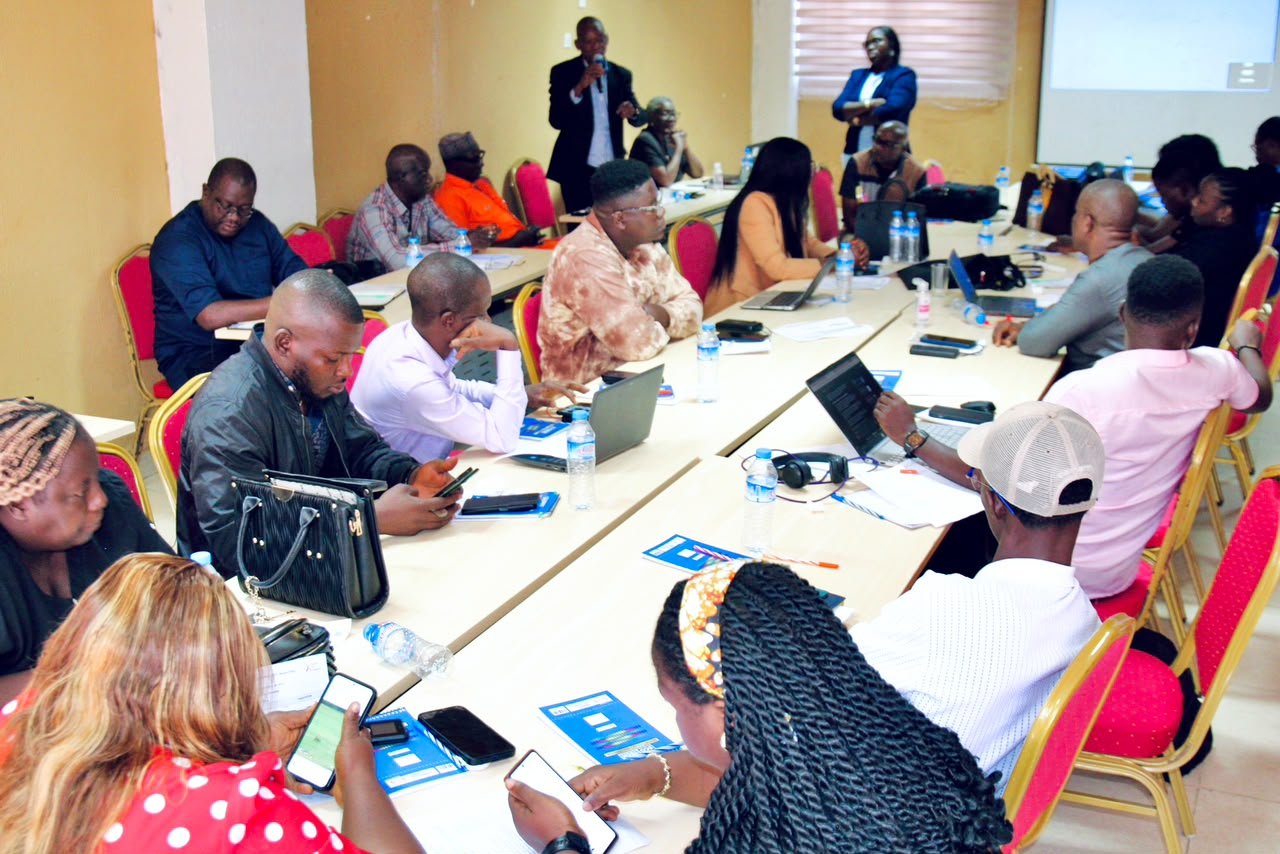
The launch brought together government and development partners around a shared commitment to improving the wellbeing of Liberia’s young population.
For the Ministry of Health and its partners, the next phase will be critical: translating the strategy’s objectives into adequately funded programmes, accessible services and stronger protection systems capable of reaching adolescents in communities across Liberia.

Towards Economic Empowerment And Reconciliation